
यात्रा शैली · इको पर्यटन
Tread lightly on a biodiversity hotspot
One of the world's great biodiversity hotspots in a country the size of Ireland: UNESCO-listed rainforest, birding wetlands, community-owned safaris and a growing network of genuinely low-impact places to stay.
इस तरह यात्रा करें? हम होमपेज और प्लानर को आपकी शैली के अनुरूप बना सकते हैं।
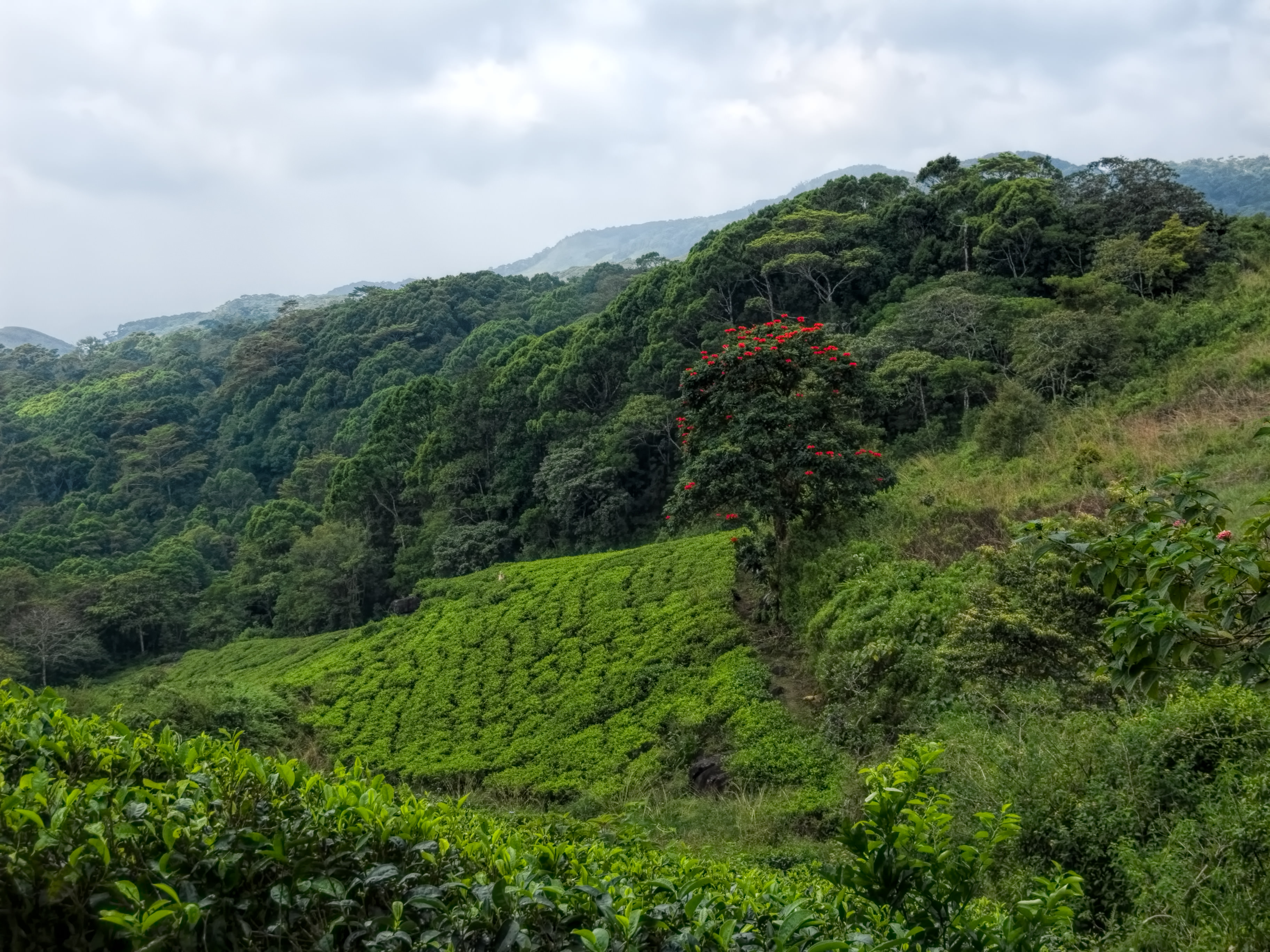
Sri Lanka packs rainforest, cloud forest, mangrove wetlands and dry-zone jungle into a few hours' travel of each other, and much of it is astonishingly intact. Sinharaja Forest Reserve — the island's last great lowland rainforest and a UNESCO site — shelters endemic birds found nowhere else on Earth, while quieter wetlands like Anawilundawa reward slow mornings with binoculars far from any crowd. In Gal Oya, boat safaris run with local Vedda community guides put money directly into villages and offer the rare sight of elephants swimming between islands.
Travelling lightly here is straightforward: trains and buses link most regions, family-run guesthouses keep spending local, and refill stations for water bottles are increasingly common in tourist towns. Choose parks beyond the famous names — Gal Oya, Wilpattu and Sinharaja over the busiest Yala tracks — hire certified local guides, and skip any venue offering elephant rides; ethical wildlife encounters happen in the wild, at a respectful distance.
आपके लिए चुना गया
आपकी शैली के लिए शॉर्टलिस्ट

श्रीलंका में सर्वश्रेष्ठ राष्ट्रीय उद्यान
Few countries offer safari experiences as accessible as Sri Lanka's. Within a few hours of any coast you can watch leopards patrol Yala's scrub jungle, see hundreds of elephants converge on the Minneriya reservoir during the dry-season Gathering, or scan Wilpattu's forest lakes from a quiet jeep track. Beyond the big-ticket mammals, Bundala's lagoons teem with flamingos and shorebirds, Horton Plains protects cloud forest ending at the sheer drop of World's End, and Sinharaja shelters most of the island's endemic birds. Each park has its own season and specialty, so it pays to match the park to your wishlist.
खोजें
श्रीलंका के पहाड़ी देश में 10 सर्वश्रेष्ठ स्थान
Sri Lanka's hill country is another world: mist rolling over tea terraces, waterfalls beside winding mountain roads, and mornings cool enough for a fireplace. Centred on Kandy, Nuwara Eliya and Ella, the highlands reward slow travel — ride the famous blue train between Kandy and Ella, hike to World's End at dawn, and finish the day with a factory-fresh cup of Ceylon tea. December to April brings the clearest mountain views, but the hills are green and walkable year-round.
खोजेंश्रीलंका में 10 सर्वश्रेष्ठ झरने
Sri Lanka's central highlands wring the moisture out of two monsoons and send it tumbling off the escarpments in hundreds of waterfalls, from roadside cascades to multi-tier giants hidden behind tea estates. The tallest, Bambarakanda, drops 263 metres through pine forest, while Diyaluma's terraced upper pools have become one of the island's most photographed natural swimming spots. Most of the famous falls cluster around the hill country roads between Kitulgala, Nuwara Eliya, Ella, and Badulla, making them easy to string together on a tea country road trip. They are at their thundering best just after the rains, from October to January.
खोजें
श्रीलंका में कल्याण: 10 आयुर्वेद, योग और स्पा अनुभव
Sri Lanka is one of the world's original wellness destinations — Ayurveda has been practised here for over 3,000 years, and the island now pairs traditional treatment centres with jungle yoga retreats, hot springs and serious spa hotels. A classic Ayurveda stay runs 7 to 21 days with a resident doctor, daily treatments and a tailored diet, but plenty of places welcome day guests for a massage or a single consultation. The south-west coast has the biggest cluster of resorts; the hills add cool-climate retreats and meditation centres.
खोजेंचूको मत

सुझाए गए यात्रा कार्यक्रम
आपकी शैली के लिए बनाई गई यात्राएँ
9-Day Rainforest & Wetlands
Sinharaja's endemic birds, mangrove kayaking and a community-guided boat safari in Gal Oya.
12-Day Low-Impact Loop
Trains and guesthouses link cloud forest, quiet national parks and turtle-nesting beaches without a single internal flight.
आपकी शैली के लिए तैयार पर्यटन
सभी श्रीलंका दौरे →बजट मार्गदर्शन
वास्तव में इसकी कीमत क्या है
Park entry fees ($10–30) and certified guide fees are the main costs and go directly toward conservation and local livelihoods. Eco-lodges near Sinharaja and Gal Oya cost more than town guesthouses but keep spending in the communities that protect these forests. (में सांकेतिक कीमतें USD.)
Value
$40–60/day pp
Family guesthouses, public transport, shared rainforest walks with local guides.
Comfort
$60–110/day pp
Small eco-lodges on forest edges, private naturalist guides and community-run boat safaris.
Treat
$110+/day pp
Award-winning sustainable lodges, private conservation experiences and expert birding guides.
यात्रा लागत अनुमानक
ज़मीन पर सांकेतिक कुल (रहना, भोजन, परिवहन, गतिविधियाँ) - उड़ानें शामिल नहीं हैं।
जाने से पहले जान लें
अच्छे प्रश्न
What is the best eco-tourism experience in Sri Lanka?
Sinharaja Forest Reserve tops most lists — a UNESCO-listed rainforest where certified local guides find endemic birds, and entry fees support conservation. Gal Oya's community-run boat safaris and the Anawilundawa wetlands are superb, crowd-free alternatives.
Are elephant experiences in Sri Lanka ethical?
Seeing elephants wild in national parks is the ethical choice — herds are effectively guaranteed at Minneriya's gathering and in Gal Oya. Avoid rides and shows entirely, and research any 'orphanage' or 'sanctuary' carefully before visiting.
How can I travel sustainably in Sri Lanka?
Use trains and buses where you can, stay in locally owned guesthouses and eco-lodges, refill a water bottle rather than buying plastic, hire certified local guides in parks, and spread your visits beyond the busiest reserves to quieter parks like Wilpattu and Gal Oya.