A square Portuguese-and-Dutch coastal fort guarding the causeway entrance to Mannar Island, with sturdy ramparts and corner bastions.
⏱ ~1.0 hr
🎟 Entry: Free


A remote, sun-baked island town linked to the mainland by a causeway, famous for its Dutch fort, giant baobab trees, wild donkeys and vast flocks of migratory flamingos.
Mannar is the main town of Sri Lanka's north-west, set on Mannar Island at the neck of the Gulf of Mannar and joined to the mainland by a long causeway. Long overlooked by travellers, it rewards those who make the journey with a wonderfully offbeat landscape of salt pans, palmyra palms, wind turbines and wetlands alive with waterbirds. The town itself is small and dusty, gathered around a well-preserved Dutch fort and a scatter of ancient baobab trees brought centuries ago by Arab traders. Wild donkeys roam the streets, and the surrounding lagoons and sanctuaries draw huge numbers of migratory birds, including greater flamingos, between the northern winter months.
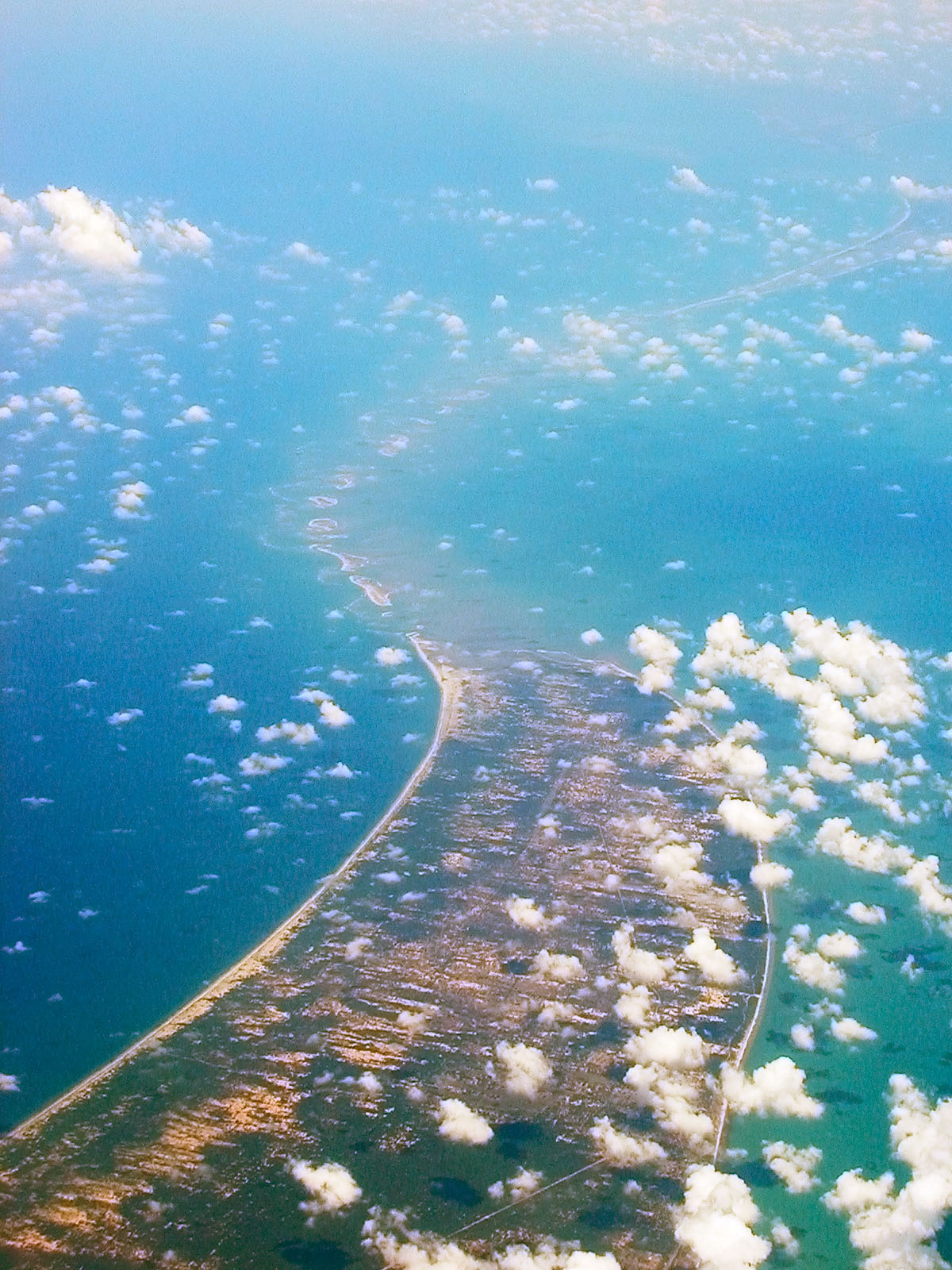
Mannar has been a gateway between Sri Lanka and India for over two thousand years, tied to the legend of Rama's Bridge and to the ancient pearl fisheries of the Gulf of Mannar. It was an early landing point for traders, missionaries and invaders, and the Portuguese fortified the town in 1560; the fort was later taken and rebuilt by the Dutch and held by the British. The district long had a substantial Tamil and Muslim population and was heavily affected by the civil war, which held back development and tourism until after 2009, since when the town and its causeway road have steadily reopened to visitors.
A square Portuguese-and-Dutch coastal fort guarding the causeway entrance to Mannar Island, with sturdy ramparts and corner bastions.
An ancient Hindu temple to Lord Shiva near Mannar, one of the revered Pancha Ishwarams of Sri Lanka, crowned by a colourful gopuram.
A vast coastal wetland of lagoons, mudflats and salt marsh south of Mannar, and one of Sri Lanka's finest sites for migratory waterbirds and flamingos.
A giant, ancient African baobab in Pallimunai village, believed to be some 700 years old and the largest tree in Sri Lanka by girth.
The crumbling seaside ruin of a British colonial governor's residence at Arippu, built to oversee the Gulf of Mannar pearl fisheries.
Halal and Vegetarian-friendly options are tagged below. Kosher food is not commercially available here; observant travellers usually self-cater or contact a Chabad house.
Chettinad, South Indian · Mid
Mannar's standout eatery, rated a remarkable 4.9 on Google, serving fiery Chettinad-style chicken and mutton alongside South Indian staples. A small-town gem that food vloggers and locals rave about in equal measure.
Northern Sri Lankan, Fine Dining · Fine
Boutique nature retreat on Mannar Island whose open-air 40-seat restaurant is the district's finest table, blending traditional Northern recipes with contemporary technique. Signatures include Jaffna crab curry and the house Manthai rice.
Pure Vegetarian, Indian · Budget
Pure vegetarian restaurant near Thiruketheeswaram on the Mannar mainland, cooking North and South Indian, Chinese and Sri Lankan dishes entirely meat-free. A favourite of pilgrims visiting the historic Shiva kovil nearby.
Sri Lankan Rice & Curry · Budget
Popular rest-stop restaurant at Thalladi on the Medawachchiya-Talaimannar highway, just before the causeway onto Mannar Island. Known for hearty Sri Lankan rice and curry buffets and quick, clean service for road travellers.
South Indian, Dosai · Budget
Long-standing bazaar favourite reputed to make the best dosai in Mannar, alongside Indian curries and Sri Lankan staples. An easy, inexpensive stop in the heart of the town's market streets.
Religious · Every year on 15 August (the Assumption)
Up to half a million pilgrims of all faiths camp in the forest around Sri Lanka's holiest Catholic shrine for the Assumption feast — a moving display of shared devotion in the Mannar scrublands.
Loading reviews…