
A vast star-shaped Dutch fort beside the lagoon, the second-largest fortress in Sri Lanka and a focus of the city's history.
🕑 08:00–18:00
⏱ ~1.2 hr
🎟 Entry: Free

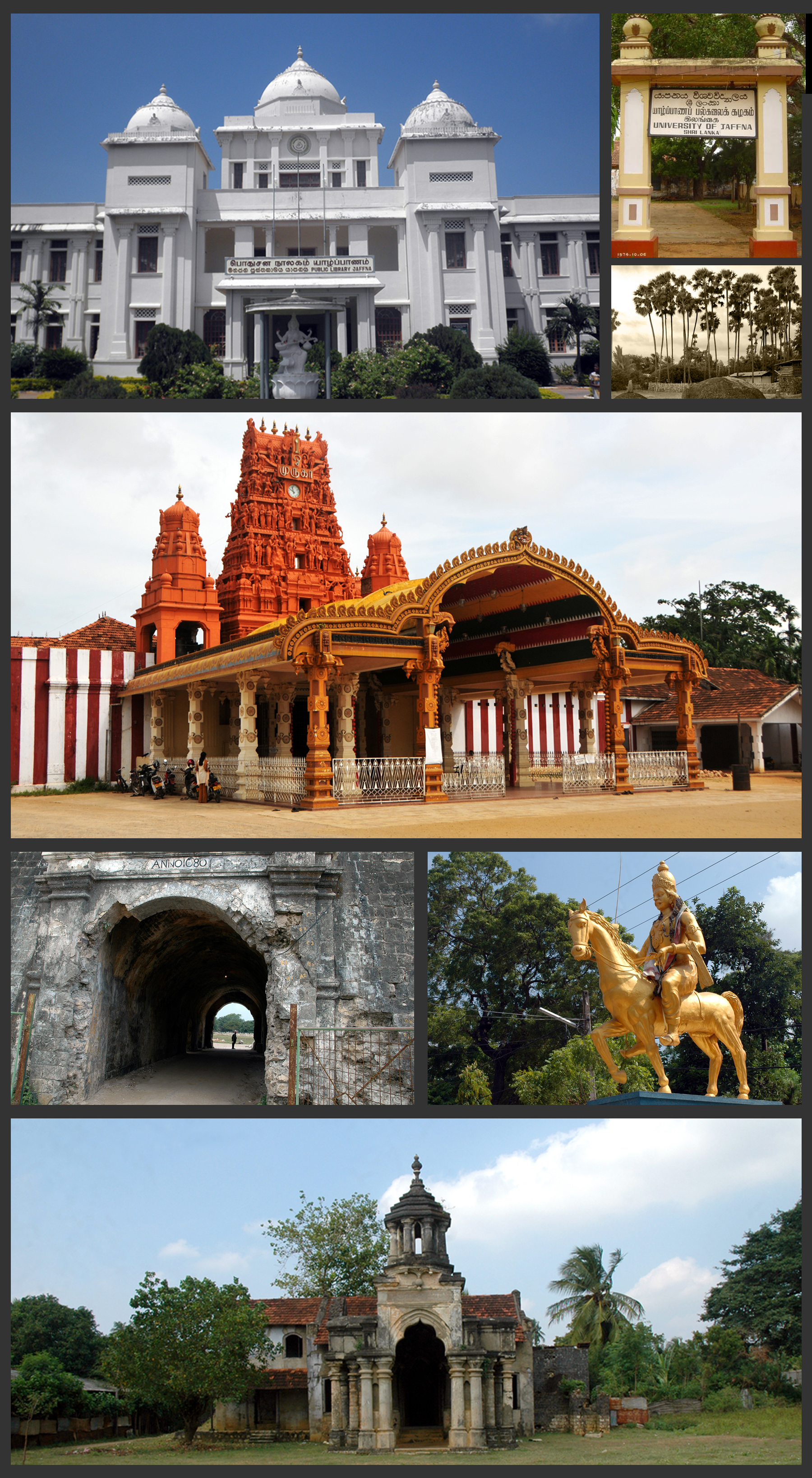
The cultural capital of Sri Lanka's Tamil north, a warm, unhurried city of soaring Hindu kovils, a Dutch fort, palmyrah plains and island temples reached by navy ferries.
Jaffna is the largest city of Sri Lanka's Northern Province and the heart of Tamil Sri Lanka, set on a flat, sun-baked peninsula fringed by lagoons and palmyrah palms. Long cut off by decades of civil war, the city has reopened to travellers who come for its distinctive Hindu culture, spicy Jaffna cuisine, the star-shaped Dutch fort, the famous Nallur Kandaswamy Kovil and the symbolic Jaffna Public Library. Beyond the city, causeways and short navy-run ferries lead out to sacred islands, mineral springs, empty white-sand beaches and the wild-pony island of Delft, making Jaffna one of the most rewarding and least-crowded corners of the island.
Jaffna was the capital of the medieval Jaffna Kingdom (Aryacakravarti dynasty) from the 13th century until it fell to the Portuguese in 1619, who built the first fort here. The Dutch captured the town in 1658 and greatly enlarged the fort, and the British took over in 1796, developing Jaffna into a centre of education and Tamil culture. The city suffered enormously during the civil war of 1983 to 2009, including the notorious burning of its public library in 1981, and has since been steadily rebuilt as the vibrant capital of the Tamil north.
A vast star-shaped Dutch fort beside the lagoon, the second-largest fortress in Sri Lanka and a focus of the city's history.

Jaffna's most important Hindu temple, a golden, five-tiered Dravidian gopuram complex dedicated to the war god Murugan.
A long, shallow white-sand beach on Karainagar island, one of the best and calmest swimming beaches in the north.
A remote coral-and-baobab island famous for its herds of wild ponies descended from colonial-era horses.

A gleaming white colonial-style library, one of Jaffna's proudest landmarks and a powerful symbol of Tamil cultural resilience.
A natural mineral-water bathing spring beside the sea, believed to have healing powers, next to the ancient Naguleswaram temple.

A revered Buddhist temple on Nainativu island, one of the sacred sites believed to have been visited by the Buddha.
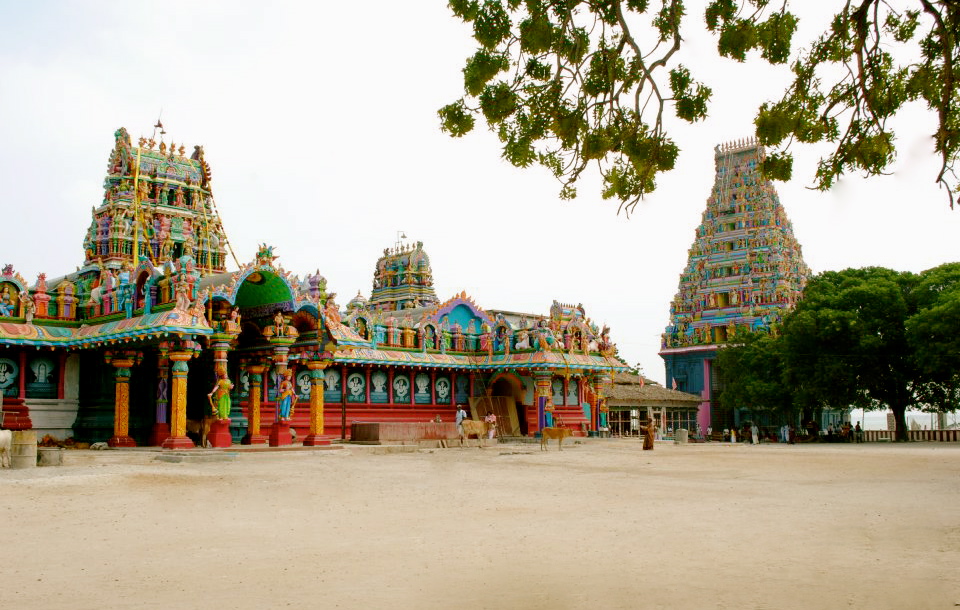
A towering Hindu temple on Nainativu island dedicated to the goddess Parvati, ranked among the sacred Shakti Peethas.

The northernmost tip of Sri Lanka, a quiet fishing town with a lighthouse, palmyrah-lined coast and windswept beaches.
Halal and Vegetarian-friendly options are tagged below. Kosher food is not commercially available here; observant travellers usually self-cater or contact a Chabad house.
Seafood, Sri Lankan · Fine
Navy-run restaurant at Karainagar looking out to the 17th-century Dutch sea fort of Hammenhiel, reached by a short boat ride. Renowned for fresh lagoon seafood, crab and prawn dishes served with sunset views over the Palk Strait.
Vegetarian, South Indian · Budget
Bright, family-friendly pure-vegetarian restaurant in Thirunelvely with one of the highest ratings in Jaffna. Serves generous South Indian meals, kottu, string hoppers and fresh juices from early morning until late.
Ice Cream, Desserts, Snacks · Budget
A Jaffna institution near Nallur Kandaswamy Kovil that has achieved cult status for its towering fruit-and-nut sundaes and house-made ice creams. Expect queues of locals and travellers alike on warm evenings.
Jaffna Tamil, Seafood · Mid
Modern dining room dedicated to true Jaffna Tamil cooking - crab curry, mutton pepper fry, seafood noodles and odiyal kool. A go-to address for travellers wanting the peninsula's signature dishes done properly.
Sri Lankan, Biryani, Seafood · Mid
Popular family restaurant on Brown Road celebrated for chicken and Hyderabadi biryani, fresh seafood and Sri Lankan rice and curry. Clean, spacious and well suited to groups and celebrations.
South Indian Vegetarian · Budget
Historic vegetarian cafe in Jaffna's Grand Bazaar, serving South Indian and Tamil classics on banana leaves since 1951. Famous for dosai, pittu, and old-world marble-top tables that keep the breakfast crowd coming.
North & South Indian Vegetarian · Budget
Well-loved pure-vegetarian restaurant, cafe and bakery near Nallur temple, plating North and South Indian thalis, dosai and sweets. A reliable favourite with pilgrims, families and travellers exploring Nallur.
South Indian, Sri Lankan · Budget
Casual twin restaurant (Akshathai/Nila) on Stanley Road known for South Indian vegetarian fare, dosai, parotta and biryani alongside Jaffna specialities. A cosy, cash-only spot popular with both locals and visitors.
Cultural · Every year on 14–15 January
The Tamil harvest festival of thanksgiving to the sun god. Homes across the north and hill country draw kolam patterns and boil the first rice of the season in decorated clay pots — visitors are warmly invited to share it.
Religious · Every August — 25 days ending on the new moon
Twenty-five days of chariot processions, temple music and acts of devotion at Jaffna's golden-arched Murugan temple — the longest and most intense Hindu festival in Sri Lanka.
Religious · Every October/November, on the Hindu festival of lights
Oil lamps and kolam rice-flour art brighten Hindu homes and kovils across the north, the east and the tea country; sweets are exchanged and temples hold special pujas late into the night.
Loading reviews…